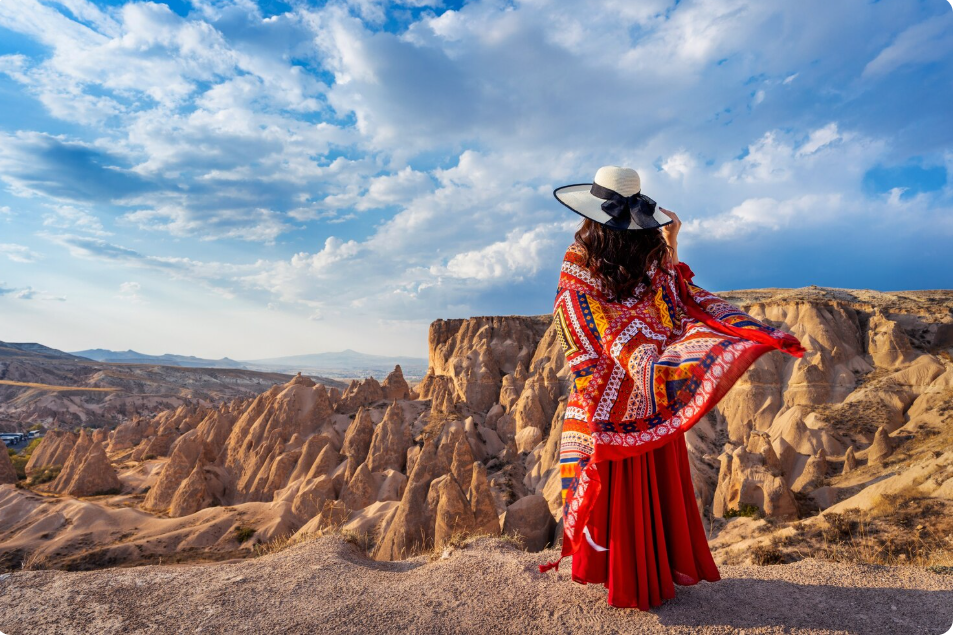
Travel is not just about visiting new places—it’s about understanding the people, traditions, and history that make each destination unique. Cultural travel allows you to immerse yourself in local customs, arts, and lifestyles, providing deeper insights into the essence of a place. Whether it’s attending festivals, exploring historic landmarks, or connecting with local communities, cultural travel transforms a simple trip into a meaningful journey.
What is Cultural Travel
Cultural travel focuses on discovering the traditions, heritage, and lifestyle of the people in a destination. Unlike conventional tourism, which often prioritizes sightseeing, cultural travel emphasizes learning, engagement, and appreciation. It encourages travelers to slow down, interact with locals, and experience life from a perspective different from their own.
Historical Sites and Landmarks
One of the most tangible ways to experience culture is through historical sites. Ancient ruins, castles, temples, and monuments tell stories of civilizations, battles, and achievements. Visiting landmarks like the Colosseum in Rome, the Great Wall of China, or Machu Picchu in Peru connects travelers with history, providing context for a region’s modern culture and way of life.
Local Festivals and Events
Festivals are a window into a community’s traditions and celebrations. Attending events like Diwali in India, Carnival in Brazil, or the Cherry Blossom Festival in Japan allows travelers to witness music, dance, rituals, and cuisine in their authentic context. Participating in these events fosters cultural understanding and creates unforgettable memories.
Culinary Experiences
Food is an essential part of cultural travel. Regional dishes, street food, and traditional cooking methods reveal a lot about a community’s history, resources, and values. Exploring local markets, joining cooking classes, or dining with families offers a taste of authenticity that goes beyond restaurants. Culinary experiences often become the most cherished memories of a trip.
Art, Music, and Craftsmanship
Artistic expression reflects the soul of a culture. Museums, galleries, theaters, and artisan workshops showcase local creativity and heritage. Engaging with music, dance, painting, pottery, or weaving allows travelers to appreciate craftsmanship and traditions that have been preserved for generations. These experiences deepen your connection to a destination and its people.
Interaction with Locals
The heart of cultural travel lies in connecting with people. Conversations, homestays, guided tours, and community projects enable travelers to learn first-hand about daily life, values, and customs. Authentic interactions provide insights that guidebooks often miss, creating meaningful exchanges and lasting relationships.
Sustainable Cultural Travel
Respecting local customs and communities is crucial in cultural travel. Travelers should support local businesses, avoid exploitative tours, and follow cultural etiquette. Sustainable cultural travel ensures that tourism benefits communities while preserving traditions, heritage sites, and the environment for future generations.
Learning and Personal Growth
Cultural travel fosters curiosity, empathy, and open-mindedness. Experiencing diverse ways of life challenges assumptions, broadens perspectives, and enhances understanding of global interconnectedness. Travelers often return home with a deeper appreciation for both other cultures and their own.
Planning Your Cultural Trip
When planning a cultural trip, research destinations, events, and local customs in advance. Prioritize experiences that allow immersion rather than just sightseeing. Learning a few phrases in the local language, understanding etiquette, and being open to new experiences enhances the quality of your journey.
Benefits of Cultural Travel
Cultural travel offers a profound sense of enrichment. It connects travelers with history, art, traditions, and people in ways that other travel styles may not. Beyond enjoyment, it promotes cross-cultural understanding, preserves heritage, and fosters respect for diversity. Each trip becomes more than a vacation—it becomes an educational and transformative experience.
Conclusion
Cultural travel is about exploring the heart and soul of a destination. From historic landmarks and local festivals to culinary experiences and artisan crafts, it immerses travelers in the rich tapestry of human life. By engaging respectfully and thoughtfully, cultural travelers gain deeper insights, create lasting memories, and contribute positively to the communities they visit.
For those seeking more than just sightseeing, cultural travel transforms ordinary journeys into extraordinary experiences. It inspires curiosity, fosters empathy, and leaves travelers with knowledge and memories that last a lifetime. In a world full of diverse cultures, every trip becomes an opportunity to connect, learn, and grow.


One thought on “Cultural Travel: Exploring the Heart and Soul of the World”