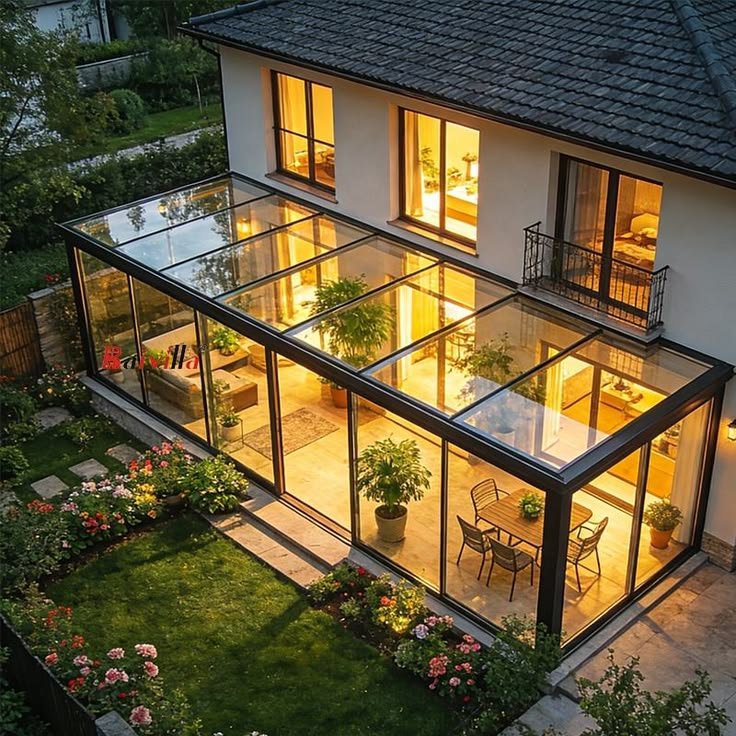
A 4 seasons room is a versatile space designed to let you enjoy the comfort of the outdoors throughout the year. With insulated walls, energy-efficient windows, and appropriate heating and cooling, this type of room can provide a bright and comfortable area for relaxing, entertaining, working, or spending time with family.
If you are considering adding a 4 seasons room to your home, understanding its features, benefits, design possibilities, and potential costs can help you plan the right space.
What Is a 4 Seasons Room?
A 4 seasons room is an enclosed living space designed for use throughout all four seasons. Unlike a basic screened porch or three-season room, it is typically built with insulation, insulated windows, and heating and cooling systems.
The exact construction can vary depending on the home’s design, local climate, building requirements, and materials used.
A well-designed 4 seasons room can feel like a natural extension of the main living area while providing plenty of natural light and views of the outdoors.
Benefits of a 4 Seasons Room
Adding a 4 seasons room can provide several practical benefits.
1. Year-Round Use
One of the biggest advantages is that the room can be used throughout the year. Heating and cooling systems can help maintain a comfortable indoor temperature during both hot and cold weather.
2. More Living Space
A 4 seasons room can provide additional space without requiring the family to completely redesign the existing living areas.
It can serve as a:
- Family room
- Reading area
- Home office
- Dining space
- Playroom
- Indoor garden
- Relaxation area
- Entertainment space
3. Plenty of Natural Light
Large windows and glass doors are common features of four-season rooms. They can bring more natural light into the space and provide views of the surrounding yard or garden.
4. Connection With the Outdoors
A 4 seasons room can provide the feeling of being outdoors while offering protection from rain, wind, insects, extreme temperatures, and other weather conditions.
5. Flexible Interior Design
Because these rooms can function like regular indoor living spaces, homeowners have many options when selecting furniture, flooring, lighting, window treatments, and décor.
4 Seasons Room vs. 3 Seasons Room
The main difference between a four-season room and a three-season room is generally the level of insulation and climate control.
A three-season room is usually designed for use during milder weather and may not have the same insulation or heating and cooling capabilities as a four-season space.
A 4 seasons room is typically designed more like an extension of the home’s conditioned living space, making it more suitable for year-round use.
The exact specifications vary by construction method and local building standards.
Popular 4 Seasons Room Design Ideas
There are many ways to customize a four-season room based on your lifestyle.
Modern 4 Seasons Room
A modern design might include large windows, simple furniture, clean lines, neutral colors, and minimal decoration.
Cozy Family Room
Add a comfortable sofa, area rug, soft lighting, cushions, and a coffee table to create a relaxing space for family gatherings.
4 Seasons Sunroom
If natural light is your priority, consider large windows, glass doors, skylights, and light-colored interior finishes.
Home Office
A four-season room can make an attractive home office. Position a desk near a window to take advantage of natural light while maintaining a comfortable workspace.
Indoor Garden
For people who enjoy plants, a bright four-season room can become an indoor garden. Choose plants according to the available sunlight, humidity, temperature, and maintenance requirements.
Choosing Windows for a 4 Seasons Room
Windows are one of the most important elements of a four-season room. Energy-efficient windows can help improve comfort and reduce unwanted heat transfer.
When choosing windows, consider:
- Insulation performance
- Glass type
- Window orientation
- Frame materials
- Ventilation
- Maintenance requirements
- Local climate
Large windows can provide beautiful outdoor views, but the amount of glass should be balanced with energy efficiency and the room’s heating and cooling requirements.
Flooring Ideas for a 4 Seasons Room
The flooring should match both the room’s design and how you intend to use the space.
Popular options may include:
- Tile
- Luxury vinyl
- Hardwood
- Engineered wood
- Laminate
- Stone
Consider durability, moisture resistance, maintenance, and temperature changes before selecting a flooring material.
Heating and Cooling a 4 Seasons Room
Because the room is intended for year-round use, temperature control is an important part of the design.
Depending on the home and local climate, options may include extending the existing HVAC system, installing a suitable ductless system, or using another professionally designed heating and cooling solution.
Proper insulation, window selection, air sealing, and shading can also affect indoor comfort and energy use.
How Much Does a 4 Seasons Room Cost?
The cost of a 4 seasons room can vary considerably. Factors include the room’s size, foundation, structural requirements, windows, insulation, roofing, electrical work, heating and cooling, flooring, interior finishes, and local labor costs.
Because projects differ significantly, it is best to obtain detailed estimates from qualified local contractors rather than relying on a single general price.
Before construction begins, also check local building codes and permit requirements.
Tips for Planning a 4 Seasons Room
Determine How You Will Use the Room
Think about the room’s primary purpose before choosing its size and layout. A dining area requires a different arrangement from a home office or family room.
Consider Sun Exposure
The direction the room faces can influence natural light and indoor temperatures. Discuss window placement and shading with a qualified designer or contractor.
Plan Electrical Outlets
Consider where you will place lamps, televisions, computers, charging stations, and other electrical devices.
Think About Furniture Placement
Plan doors, windows, heating and cooling equipment, and furniture together so the finished space remains comfortable and functional.
Set a Realistic Budget
Include construction, permits, foundation work, windows, insulation, electrical systems, heating and cooling, flooring, furniture, and finishing costs when creating your budget.
Frequently Asked Questions About 4 Seasons Rooms
What is the difference between a sunroom and a 4 seasons room?
A sunroom is a broad term for a room designed to provide significant natural light and outdoor views. A 4 seasons room is generally built with insulation and climate control so it can be used throughout the year.
Can a 4 seasons room be used in winter?
Yes. When properly insulated and equipped with an appropriate heating system, a four-season room can be used during winter. Performance depends on the construction, climate, windows, and heating system.
Is a 4 seasons room worth adding to a home?
The value of a four-season room depends on factors such as how frequently you will use it, construction costs, available space, and your long-term plans for the property. Consider both the lifestyle benefits and financial costs before making a decision.
Can a 4 seasons room have air conditioning?
Yes. A four-season room can be connected to an appropriate HVAC system or use another suitable cooling solution, depending on the home’s design and local requirements.
What can I use a 4 seasons room for?
A four-season room can be used as a family room, home office, dining area, reading room, playroom, indoor garden, or relaxing space.
Final Thoughts
A 4 seasons room can create a bright, comfortable, and flexible addition to a home. With thoughtful planning, proper insulation, energy-efficient windows, and suitable heating and cooling, the space can be enjoyed throughout the year.
Before starting a project, consider your home’s structure, local climate, building requirements, budget, and intended use. A qualified contractor or designer can help determine the most suitable construction approach for your property.