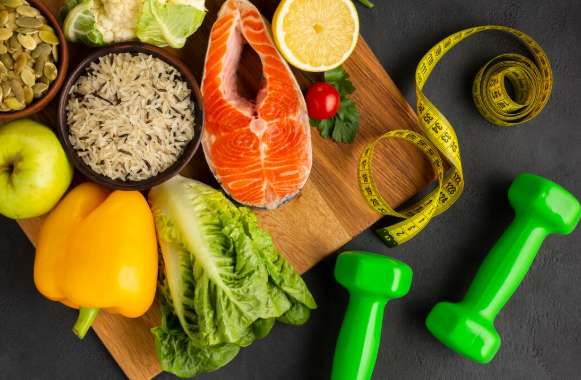
Choosing the right foods can make a major difference when your goal is to lose body fat while developing or maintaining lean muscle. The best foods for losing weight and building muscle are generally rich in protein, fiber, vitamins, minerals, and other nutrients while fitting your overall calorie needs. A balanced eating pattern that combines quality protein, vegetables, fruits, whole grains, healthy fats, and regular exercise can support both goals without relying on extreme diets.
How Nutrition Supports Fat Loss and Muscle Growth
Losing fat and gaining muscle at the same time can be challenging because the two goals often require different nutritional approaches. Fat loss generally requires a manageable calorie deficit, while muscle development requires enough protein, nutrients, recovery, and resistance training.
The goal is not simply to eat as little as possible. Consuming too few calories can make workouts harder and may make it more difficult to maintain muscle.
A better approach is to prioritize foods that provide substantial nutrition and help you feel satisfied.
Protein Is a Key Nutrient
Protein supplies amino acids that your body uses to repair and build muscle tissue. It can also make meals more filling, which may help with appetite management.
Good protein choices include:
- Chicken breast
- Turkey
- Eggs
- Fish
- Greek yogurt
- Cottage cheese
- Lean beef
- Tofu
- Tempeh
- Lentils
- Beans
- Edamame
Including a protein source at each major meal makes it easier to build a balanced diet.
Fiber Helps With Fullness
Vegetables, fruits, beans, lentils, and whole grains provide fiber along with important nutrients. High-fiber foods can add volume to meals and help you stay satisfied.
Instead of building meals primarily around highly processed carbohydrates, consider combining carbohydrates with protein and vegetables.
For example, brown rice with grilled chicken and vegetables is generally more filling and nutrient-dense than a meal centered around refined carbohydrates alone.
Top Foods to Include in Your Diet
There is no single food that automatically causes fat loss or muscle growth. Instead, several nutritious foods can form the foundation of a successful eating pattern.
| Food | Main Benefit | Easy Ways to Use It |
|---|---|---|
| Eggs | Protein and nutrients | Breakfast, omelets, sandwiches |
| Chicken | Lean protein | Salads, rice bowls, wraps |
| Salmon | Protein and healthy fats | Dinner, salads |
| Greek yogurt | Protein and calcium | Breakfast or snack |
| Lentils | Protein and fiber | Soups, curries, bowls |
| Oats | Fiber and carbohydrates | Breakfast or smoothies |
| Berries | Fiber and antioxidants | Yogurt, oatmeal, snacks |
| Spinach | Vitamins and minerals | Salads, omelets, smoothies |
| Potatoes | Filling carbohydrates | Roasted or baked |
| Quinoa | Protein and complex carbohydrates | Bowls and salads |
Current U.S. dietary guidance emphasizes whole, nutrient-dense foods such as protein foods, vegetables, fruits, dairy, healthy fats, and whole grains.
Lean Protein Foods
Chicken and Turkey
Skinless chicken and turkey are convenient sources of protein that can work well in a calorie-controlled diet.
Try grilling, baking, air-frying, or roasting them instead of regularly deep-frying them.
They can be paired with vegetables and a moderate serving of rice, potatoes, quinoa, or another whole-food carbohydrate.
Eggs
Eggs are versatile and provide high-quality protein along with several important nutrients.
A simple breakfast could include eggs with vegetables and whole-grain toast. For a lower-calorie meal, combine eggs with spinach, tomatoes, mushrooms, or peppers.
Fish and Seafood
Fish can provide protein while also adding variety to your meals. Fatty fish such as salmon provide healthy fats, while leaner fish can provide protein with relatively little fat.
Try baked fish with vegetables and potatoes for a simple dinner.
Greek Yogurt and Cottage Cheese
Plain Greek yogurt and cottage cheese can be useful choices when you want a protein-rich snack.
Add berries, sliced fruit, cinnamon, or a small amount of nuts rather than relying heavily on flavored versions that may contain substantial added sugar.
Plant-Based Protein Options

You do not need to rely entirely on meat or dairy to support muscle development.
Lentils and Beans
Lentils, black beans, chickpeas, kidney beans, and other legumes provide protein and fiber.
They can be used in:
- Soups
- Curries
- Salads
- Burrito bowls
- Wraps
- Grain bowls
Their combination of protein and fiber can make meals particularly satisfying.
Tofu and Tempeh
Tofu and tempeh are versatile soy-based protein foods.
They can be baked, grilled, stir-fried, or added to vegetable bowls. Use herbs, spices, garlic, ginger, or low-sugar sauces to add flavor.
Edamame
Edamame works well as a snack or as an addition to salads, rice bowls, and stir-fries.
It is especially useful for people looking for convenient plant-based protein.
Vegetables for a Fat-Loss-Friendly Diet
Vegetables can help increase the volume and nutritional value of meals without adding excessive calories.
Some useful options include:
- Broccoli
- Cauliflower
- Spinach
- Green beans
- Bell peppers
- Carrots
- Cabbage
- Zucchini
- Mushrooms
- Tomatoes
- Cucumber
Rather than treating vegetables as a side dish that you occasionally eat, make them a regular part of lunch and dinner.
For example, a plate containing chicken, roasted vegetables, and a moderate portion of potatoes can be more satisfying than a meal consisting mainly of a large serving of pasta.
Healthy Carbohydrates for Training
Carbohydrates are not something you necessarily need to eliminate when trying to lose fat. They can provide energy for exercise and help replenish energy stores after training.
Oats
Oatmeal is an easy breakfast option because it can be combined with protein and fruit.
Try oats with plain Greek yogurt, berries, cinnamon, and a small serving of nuts.
Potatoes and Sweet Potatoes
Potatoes and sweet potatoes can fit into a balanced diet, particularly when baked, roasted, or boiled.
Portion size and preparation matter. Adding large amounts of butter, cheese, creamy sauces, or oil can substantially increase the calorie content.
Brown Rice and Quinoa
Brown rice, quinoa, and other whole grains can provide carbohydrates along with additional nutrients and fiber.
They work particularly well in meal-prep bowls with lean protein and vegetables.
Fruits That Can Fit a Muscle-Building Diet
Fruit provides carbohydrates, fiber, vitamins, minerals, and naturally occurring sugars.
Good options include:
- Berries
- Apples
- Bananas
- Oranges
- Kiwi
- Melons
- Peaches
- Mangoes
Bananas can be especially convenient before or after exercise because they are portable and easy to combine with yogurt or another protein source.
Berries are another excellent option for oatmeal, yogurt, or smoothies.
Whole fruits are generally more filling than drinking fruit juice because they retain their fiber.
Healthy Fats and Portion Control

Healthy fats are important, but they are calorie-dense. This means even nutritious fat sources should be consumed in appropriate portions when fat loss is the goal.
Useful choices include:
- Avocados
- Almonds
- Walnuts
- Chia seeds
- Flaxseeds
- Pumpkin seeds
- Olive oil
- Fatty fish
- Natural peanut butter
For example, a small amount of nuts can be an excellent addition to yogurt, but eating several handfuls throughout the day can add a substantial number of calories.
How to Build a Balanced Meal
A simple meal-building strategy can make healthy eating easier.
Start with a protein source, add plenty of vegetables, include a reasonable carbohydrate portion, and finish with a small amount of healthy fat when appropriate.
| Meal Component | Examples |
|---|---|
| Protein | Chicken, fish, eggs, tofu, lentils |
| Vegetables | Broccoli, spinach, peppers, carrots |
| Carbohydrates | Oats, potatoes, rice, quinoa |
| Healthy fats | Avocado, nuts, seeds, olive oil |
| Optional fruit | Berries, apple, orange, banana |
This structure gives you flexibility without requiring the same meal every day.
Sample Day of Eating
A practical day could look like this:
Breakfast:
Eggs with spinach, whole-grain toast, and berries.
Mid-morning snack:
Plain Greek yogurt with fruit.
Lunch:
Grilled chicken, brown rice, mixed vegetables, and a small amount of avocado.
Pre-workout snack:
A banana with a modest serving of Greek yogurt or another protein-rich food.
Dinner:
Baked salmon, roasted vegetables, and potatoes.
Evening snack:
Cottage cheese with berries, if additional food fits your daily needs.
The exact amount of food should depend on your body size, activity level, training goals, appetite, and overall calorie requirements.
Foods to Limit When Trying to Lose Fat
You do not necessarily have to completely eliminate favorite foods. However, some foods are easy to overconsume because they provide substantial calories without making you feel full for long.
Consider limiting:
- Sugary drinks
- Frequent fast food meals
- Deep-fried foods
- Highly processed snacks
- Large portions of sweets
- Excessive alcohol
- Sugar-heavy desserts
- Highly refined snack foods
The current dietary guidance encourages prioritizing nutrient-dense whole foods and reducing highly processed foods, added sugars, excess sodium, and unhealthy fats.
Meal Timing Around Workouts
Meal timing does not have to be complicated.
A meal containing protein and carbohydrates a few hours before training can provide useful energy. After training, another meal containing protein and carbohydrates can help replenish energy and support recovery.
For example:
Before training: Oatmeal, Greek yogurt, and berries.
After training: Chicken, rice, and vegetables.
If you train early in the morning, a smaller snack such as a banana and yogurt may be more practical than a large meal.
Combining Nutrition With Strength Training
Food alone cannot create significant muscle development. Resistance training provides the stimulus your muscles need to adapt.
A balanced program may include exercises such as:
- Squats
- Lunges
- Push-ups
- Rows
- Pull-ups
- Shoulder presses
- Deadlift variations
- Core exercises
Progressive resistance is important. As your strength improves, gradually increasing resistance, repetitions, or training difficulty can help provide an ongoing challenge.
For weight management, regular physical activity combined with appropriate calorie intake is important, while muscle-strengthening activities can support muscle development and overall fitness.
Common Nutrition Mistakes
Eating Too Little
A very aggressive calorie restriction can make workouts difficult and may interfere with maintaining muscle.
A moderate approach is generally easier to sustain.
Avoiding All Carbohydrates
Carbohydrates can be part of a healthy diet. Instead of eliminating them, choose nutritious sources and control portions.
Eating Too Much Protein but Too Few Vegetables
Protein matters, but a healthy diet also needs fiber, vitamins, minerals, and other nutrients.
Drinking Too Many Calories
Sugary beverages, specialty coffees, shakes, and alcohol can add calories quickly.
Water, unsweetened tea, and other low-calorie beverages can make calorie management easier.
Ignoring Portion Sizes
Even nutritious foods can contribute to weight gain when eaten in excessive quantities. Portion awareness remains important because total energy intake influences body weight.
Key Points to Remember
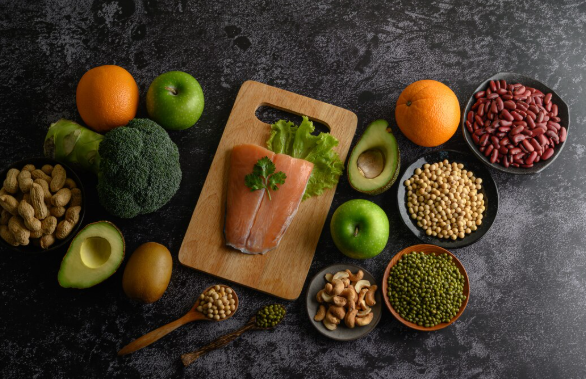
- Build meals around nutrient-dense whole foods.
- Include a quality protein source throughout the day.
- Eat plenty of vegetables and whole fruits.
- Use whole grains and other nutritious carbohydrates to support training.
- Include healthy fats in moderate portions.
- Pay attention to total calorie intake when fat loss is the goal.
- Combine nutrition with regular resistance training.
- Avoid relying on extreme diets or severe restriction.
- Choose foods you genuinely enjoy so your routine remains sustainable.
- Adjust portions according to your progress, hunger, and activity level.
Final Thoughts
Successful body recomposition is less about finding one magical food and more about creating a consistent eating pattern. Protein-rich foods can support muscle maintenance and growth, while vegetables, fruits, whole grains, and healthy fats provide the nutrients needed for an active lifestyle.
If fat loss is the priority, focus on a sustainable calorie deficit rather than drastic restriction. If muscle development is equally important, combine nutritious meals with progressive resistance training and adequate recovery. With consistency, portion awareness, and a variety of whole foods, you can create a diet that supports both a leaner body and stronger muscles.
Frequently Asked Questions
1. What should I eat first when trying to lose fat and build muscle?
Start by making protein a consistent part of each meal. Add vegetables, a nutritious carbohydrate source, and a moderate amount of healthy fat. This creates balanced meals without requiring complicated food rules.
2. Are carbohydrates bad for muscle building?
No. Carbohydrates can provide energy for workouts and help support training performance. Options such as oats, potatoes, fruit, rice, and whole grains can fit into a muscle-building and fat-loss diet.
3. Can I build muscle while losing weight?
It is possible, particularly for beginners, people returning to training, and individuals with higher body-fat levels. Adequate protein, resistance training, recovery, and an appropriate calorie deficit are important factors.
4. Are eggs good for a weight-loss and muscle-building diet?
Yes. Eggs provide protein and several nutrients and can be included in breakfast, lunch, dinner, or snacks. Pairing them with vegetables and a nutritious carbohydrate can create a balanced meal.
5. Do I need supplements to lose fat and build muscle?
Not necessarily. A well-planned diet can provide most of the nutrients needed for general health and fitness. Supplements may be useful in specific situations, but they should complement rather than replace nutritious foods.