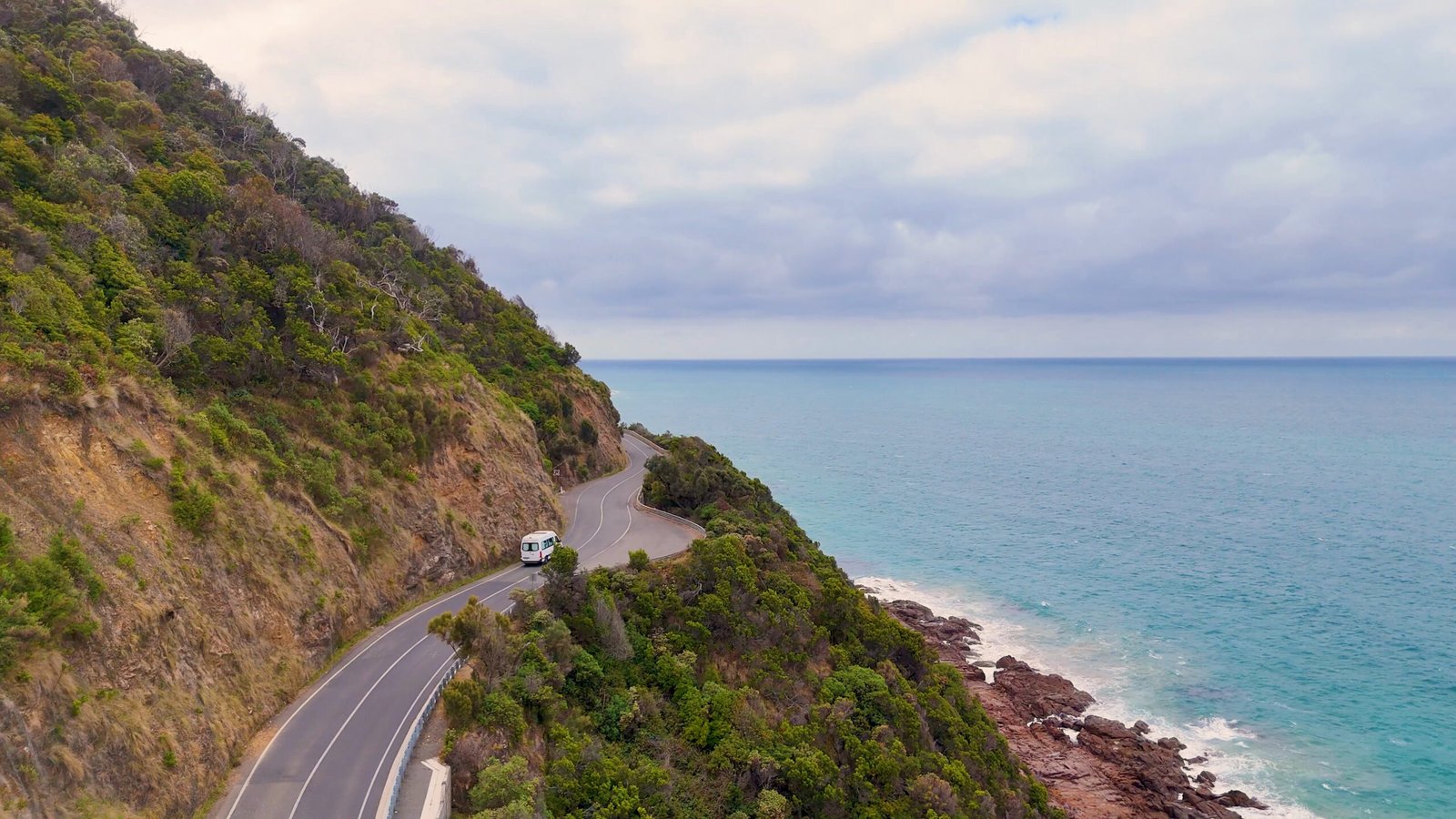
Planning an East Coast road trip can be an exciting way to experience historic cities, coastal landscapes, charming towns, beaches, forests, mountains, and cultural attractions in one journey. The variety of destinations makes east coast road trip routes suitable for different travel styles, from short weekend drives to extended vacations covering several states. A successful road trip depends on choosing destinations that match the available time, planning realistic driving distances, and leaving enough flexibility for unexpected discoveries along the way. With thoughtful preparation, travelers can create a memorable journey filled with scenic views, local food, outdoor activities, and interesting stops.
Why Take an East Coast Road Trip?
The East Coast offers remarkable geographic and cultural variety. Travelers can move from busy metropolitan areas to quiet coastal communities within a relatively short distance.
Historic cities provide museums, architecture, restaurants, and cultural attractions, while coastal regions offer beaches, lighthouses, harbors, and scenic drives. Inland routes can introduce travelers to forests, rivers, lakes, and mountain landscapes.
A road trip also provides greater flexibility than a fixed itinerary. Travelers can stop at small towns, viewpoints, local restaurants, parks, and attractions that may not be convenient to reach by other forms of transportation.
Planning the Right Route
The first step is deciding how much time is available. A three-day trip requires a very different route from a two-week journey.
Travelers should identify their starting point, major destinations, and final destination before connecting them into a practical driving itinerary.
Avoid scheduling too many long driving days in succession. Spending several hours behind the wheel every day can reduce the time available for sightseeing.
A balanced route should include both driving and exploration, allowing enough time to enjoy each destination rather than simply passing through.
New England Coastal Road Trip
A New England road trip can combine coastal scenery, historic communities, charming harbors, and seasonal landscapes.
Travelers can create routes through parts of Massachusetts, Rhode Island, Connecticut, New Hampshire, Maine, or Vermont depending on their interests and available time.
Coastal destinations can provide opportunities to visit beaches, lighthouses, seafood restaurants, and waterfront communities.
Autumn is particularly attractive for travelers interested in colorful foliage, although summer can be ideal for coastal activities and outdoor exploration.
Boston to Maine
A route beginning in Boston and continuing north toward Maine can offer a combination of history and coastal scenery.
Boston provides museums, historic neighborhoods, public spaces, restaurants, and waterfront attractions. From there, travelers can continue toward coastal communities and eventually explore Maine.
Portland can serve as a useful stop for travelers interested in food, waterfront areas, and local culture. Further north, coastal landscapes become increasingly scenic, with rocky shores, small harbors, and access to outdoor destinations.
This route can be completed as a shorter trip or expanded into a longer exploration of Maine.
New York City to Washington, DC
The corridor between New York City and Washington, DC is one of the most accessible East Coast road trip options.
Travelers can combine major urban attractions with stops in Philadelphia, Baltimore, or smaller communities along the way.
New York offers museums, entertainment, restaurants, and iconic landmarks. Philadelphia adds American history, museums, food, and distinctive neighborhoods.
Washington, DC provides museums, monuments, government buildings, parks, and cultural attractions. Because the cities are relatively close compared with longer East Coast routes, this itinerary can work well for a short vacation.
Blue Ridge and Appalachian Routes
Travelers looking for mountain scenery can move inland from the coastal corridor and explore sections of the Appalachian region.
Routes through Virginia, West Virginia, North Carolina, and nearby areas can provide forests, mountain overlooks, hiking opportunities, waterfalls, and small communities.
The Blue Ridge region is especially appealing for travelers who enjoy scenic drives and outdoor activities.
Fall can be a particularly beautiful season for mountain road trips, while spring and summer provide opportunities for hiking, camping, and exploring natural attractions.
Coastal Carolina Road Trips
North and South Carolina provide numerous opportunities for coastal road trips. Travelers can explore beaches, barrier islands, historic towns, maritime communities, and waterfront attractions.
The Outer Banks region offers a distinctive coastal landscape with beaches, dunes, lighthouses, and small communities.
South Carolina can provide a combination of coastal scenery and historic destinations, including Charleston and surrounding Lowcountry areas.
These routes are especially appealing to travelers who enjoy warm-weather beach destinations and relaxed coastal environments.
Savannah to Charleston
A route connecting Savannah and Charleston can provide a shorter trip focused on history, architecture, food, and Southern coastal culture.
Savannah is known for its historic districts, squares, tree-lined streets, and distinctive architecture. Charleston offers historic neighborhoods, waterfront areas, restaurants, and nearby beaches.
The relatively manageable distance between these destinations allows travelers to spend more time exploring rather than driving.
This route can also be extended toward other coastal communities for a longer vacation.
Florida East Coast Road Trip
Florida offers a very different East Coast road trip experience. The state’s Atlantic coastline includes beaches, cities, nature areas, and warm-weather attractions.
Travelers can create routes connecting Jacksonville, Daytona Beach, the Space Coast, West Palm Beach, Fort Lauderdale, Miami, and other coastal communities.
A Florida road trip can combine beaches with cultural attractions, outdoor recreation, restaurants, and nightlife.
Because Florida is long and geographically diverse, travelers should avoid trying to cover the entire state in only a few days.
Scenic Coastal Stops
One of the greatest advantages of an East Coast road trip is the opportunity to stop at scenic locations along the way.
Lighthouses are particularly common along the Atlantic coastline and often provide memorable photography opportunities.
Beaches, waterfront parks, cliffs, marshlands, forests, and historic piers can also make worthwhile stops.
Travelers should research parking, access restrictions, seasonal closures, and local regulations before visiting smaller coastal attractions.
Historic Towns and Cities
The East Coast contains many communities with significant historical importance. Road trips make it possible to combine famous cities with smaller historic towns.
Walking tours can provide insight into local architecture and history, while museums and heritage sites offer deeper context.
Travelers interested in history should avoid filling every day with major attractions. Smaller neighborhoods, local markets, independent restaurants, and community events can provide a more relaxed experience.
Food Along the Route
Food can become an important part of an East Coast road trip. Different regions have distinctive culinary traditions, from New England seafood to Southern specialties and coastal cuisine.
Local restaurants, farmers’ markets, bakeries, seafood shacks, and neighborhood cafés can provide memorable meals.
Travelers should also leave room for spontaneous food stops. Some of the most enjoyable discoveries can happen outside major tourist areas.
Outdoor Activities
Road trips can include more than sightseeing. Beaches offer swimming, kayaking, paddleboarding, and walking, while mountain regions provide hiking and camping opportunities.
Wildlife viewing can also be incorporated into coastal and nature-focused routes.
Travelers should choose activities according to season and weather conditions. Proper footwear, water, sun protection, and suitable clothing can make outdoor experiences more comfortable.
Road Trip Budget Planning
A realistic budget should include fuel, accommodation, meals, parking, tolls, attractions, and unexpected expenses.
Accommodation costs can vary considerably between major cities, beach communities, and smaller towns.
Travelers can reduce expenses by staying outside expensive downtown areas or mixing hotels with other accommodation options.
It is also useful to keep a separate emergency budget for vehicle issues, itinerary changes, or unexpected costs.
Choosing the Best Season
The best season depends on the type of trip. Summer can be ideal for beaches and coastal activities but may bring higher demand and larger crowds.
Spring can provide pleasant temperatures and blooming landscapes in many areas. Autumn is especially attractive for travelers interested in foliage and cooler temperatures.
Winter can offer lower demand in some destinations, although weather conditions can affect mountain and northern routes.
Always check local weather and road conditions before beginning a long driving day.
Key Points to Remember
The East Coast offers coastal, urban, historic, and mountain road trip experiences.
Choose a route based on available time and personal interests.
Avoid planning unrealistic daily driving distances.
Include scenic stops and smaller communities along the route.
Research seasonal weather before traveling.
Budget for fuel, lodging, food, parking, tolls, and attractions.
Keep some flexibility in the itinerary for unexpected discoveries.
Tips for Planning an East Coast Road Trip
Start by choosing a realistic starting and ending point.
Group destinations geographically to minimize unnecessary driving.
Reserve popular accommodations in advance during busy seasons.
Keep navigation tools and offline maps available in case of weak connectivity.
Take regular breaks during long driving days.
Check vehicle condition before departure.
Pack layers because weather can change significantly between regions.
Leave space in the itinerary for spontaneous stops and local experiences.
Final Thoughts
An East Coast road trip can be customized to almost any travel style, whether the goal is exploring historic cities, relaxing on beaches, driving through mountain landscapes, discovering small towns, or combining several experiences in one vacation. The wide range of destinations means travelers can create short regional journeys or ambitious multi-state adventures. The most enjoyable trips usually balance driving with meaningful stops and allow enough time to experience each destination. By selecting practical routes, preparing for seasonal conditions, budgeting carefully, and remaining flexible, travelers can turn east coast road trip routes into memorable journeys filled with scenic landscapes, cultural discoveries, local food, and unforgettable experiences.
Frequently Asked Questions
1. How long should an East Coast road trip be?
The ideal length depends on the route. A regional trip can take three to five days, while a longer journey covering several states may require one to three weeks or more.
2. What is a good East Coast road trip for beginners?
A shorter route between major cities such as New York City, Philadelphia, Baltimore, and Washington, DC can be easier for beginners because the destinations are relatively close and offer many attractions.
3. When is the best time for an East Coast road trip?
Spring and autumn often provide comfortable temperatures, while summer is popular for beaches. Autumn can be particularly attractive for foliage in northern and mountain regions.
4. What should I budget for an East Coast road trip?
Consider fuel, hotels, meals, parking, tolls, attractions, vehicle maintenance, and emergency expenses. Costs vary significantly depending on the route, season, and travel style.
5. What should I pack for an East Coast road trip?
Pack comfortable clothing, walking shoes, weather-appropriate layers, chargers, navigation equipment, medications or personal essentials, snacks, water, and any equipment needed for planned outdoor activities.



One thought on “East Coast Road Trip Routes: Scenic Ideas for an Unforgettable Journey”